The Hidden Cost of Mental-Health Sick Days
In early 2020 Aetna International asked 1,000 office workers in the UK, United States, Singapore and the UAE one deceptively simple question: when do you really stay home from work, and why? The answers expose a stubborn gap between physical and mental health in today’s workplaces. Here are the headline insights you can share with your team – numbers trimmed to the essentials, accuracy intact.
1. We still hide mental–health days
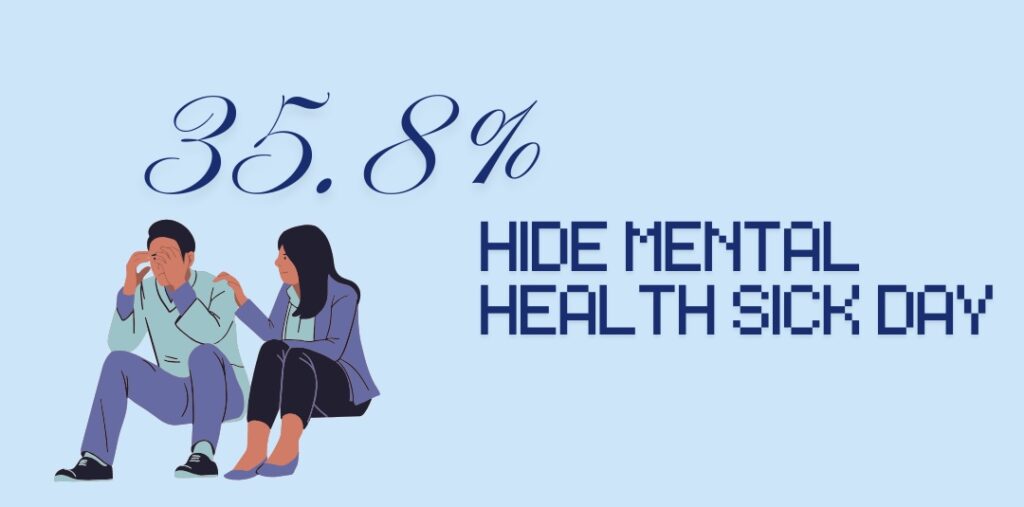
- 35.8 % of all respondents have lied about the real reason for taking a sick day. Among staff already diagnosed with a mental-health condition the figure jumps to 51.7 %.
- Stress is both common and taboo: 33.2 % would stay home for stress, yet 47.1 % say they are unlikely to do so, and almost the same share (32.1 %) have disguised stress as something else.
Why it matters: presenteeism costs companies more than absenteeism. If employees feel forced to mask burnout, productivity and engagement sink while risk of long-term absence rises.
“When employees feel they have to disguise stress or anxiety, it creates a slow leak in performance and trust,” explains HoorayTeams. “Over time, that pressure adds up often silently.”
2. Presenteeism is highest in the UK, absenteeism in the US
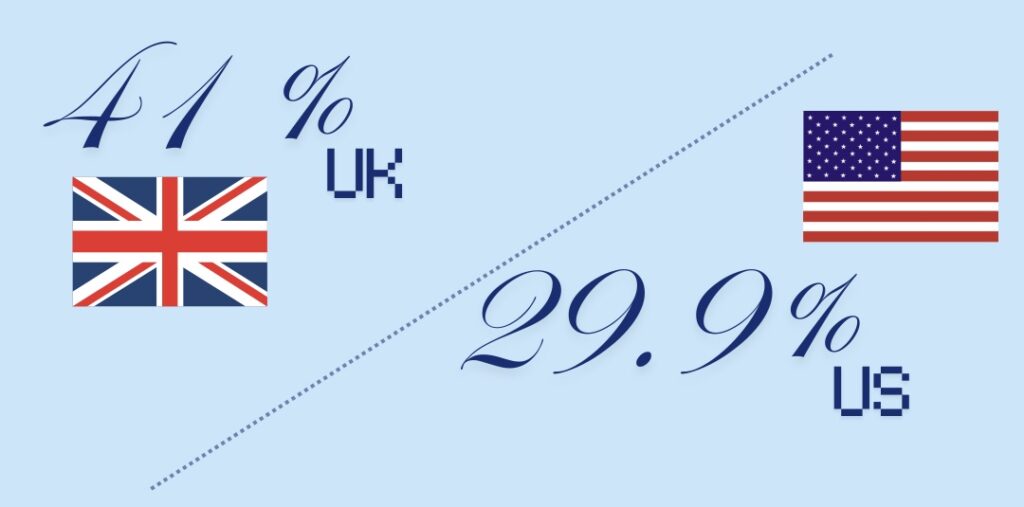
- Nearly a third of the entire sample (29.9 %) took zero sick days in 2019. In the UK that climbs to 41 %.
- By contrast, the US records the most extended absences: 18.3 % of American workers logged ten or more days off, versus just 11.7 % in the UK.
- Reading the regional tea-leaves: British culture still rewards “toughing it out,” while US employees appear more willing (or forced) to step away when health truly collapses.
3. Physical illness = ‘legitimate’; mental illness = ‘optional’
Respondents are twice as likely to take leave for a physical ailment (66 %) as for a mental-health issue (34 %).
When asked about specific conditions:
- Sickness & vomiting: almost three quarters would stay home.
- Flu: a solid majority – 35.6 % say “very likely” and many more “quite likely.”
- Depression: 44.8 % would take leave. Anxiety: just 28 %.
4. Diagnosis unlocks openness – but many go without
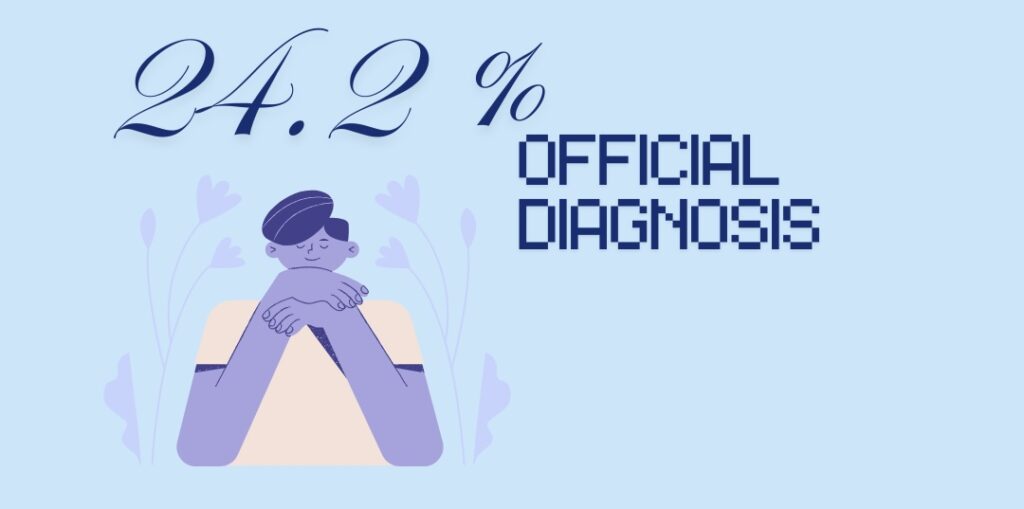
Roughly half of all workers (49.7 %) say they have experienced a mental-health issue, yet only 24.2 % have an official diagnosis. The US leads in diagnoses at 39.3 %, while Singapore lags far behind at 6 %.
Diagnosis matters: 45.4 % of undiagnosed employees feel comfortable discussing mental health with a manager; that rises to 51.7 % when a diagnosis is in place.
5. Talking to the boss is still easier when it’s a broken bone
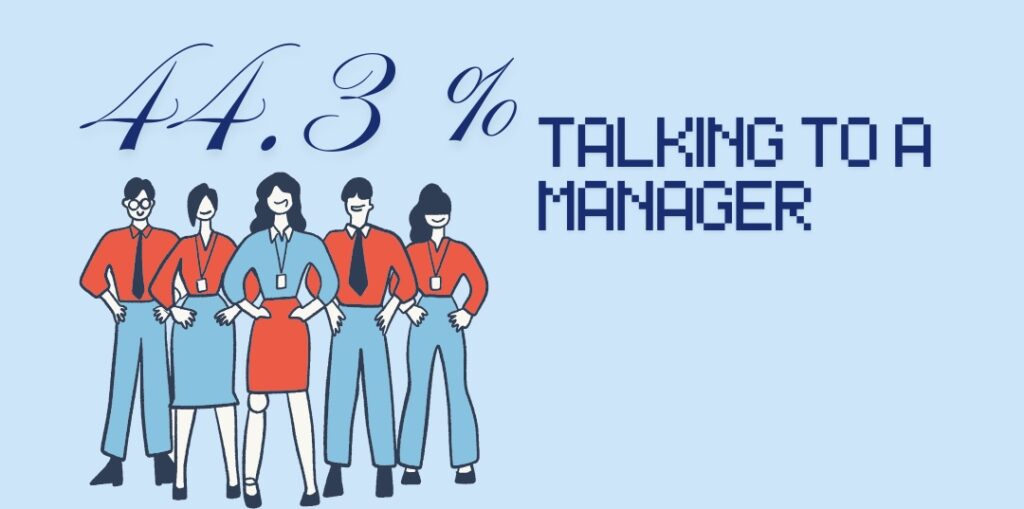
Overall, 44.3 % are comfortable raising mental-health concerns with their line manager, compared with 56.2 % for physical problems.
- Most open: US employees – one quarter (24.7 %) are very comfortable discussing mental health.
- Most reserved: Singapore – just 8.5 % hit the same comfort level.
What Employers Should Do Next
- Treat mental health as real health. Update sick-leave policies so stress, anxiety and depression are explicitly covered. Language alone signals permission to rest and recover.
- Make diagnosis easy. Add or expand access to professional screening and counselling. Where diagnosis rises, openness – and appropriate time off – follow.
- Coach your managers. One in five workers still fears their boss “wouldn’t understand.” Basic mental-health literacy and empathetic check-ins close that trust gap.
- Watch regional culture. If you run global teams, note that UK staff may need explicit encouragement to use their sick days, while US staff may need proactive burnout prevention.
A culture that legitimises mental health, measures real absence patterns and trains frontline managers is no longer a nice-to-have – it is a productivity strategy. Use the data above as a benchmark and start closing your own organisation’s sickness gap today.